
Trainspotting: An addictive hit of 90s cinema
What is still left to say about Trainspotting? Now that it is celebrating its 30th birthday, it is the perfect time to revisit this iconic film—a cinematic hand-grenade tossed into the lap of an unsuspecting public that became an explosively influential hit.
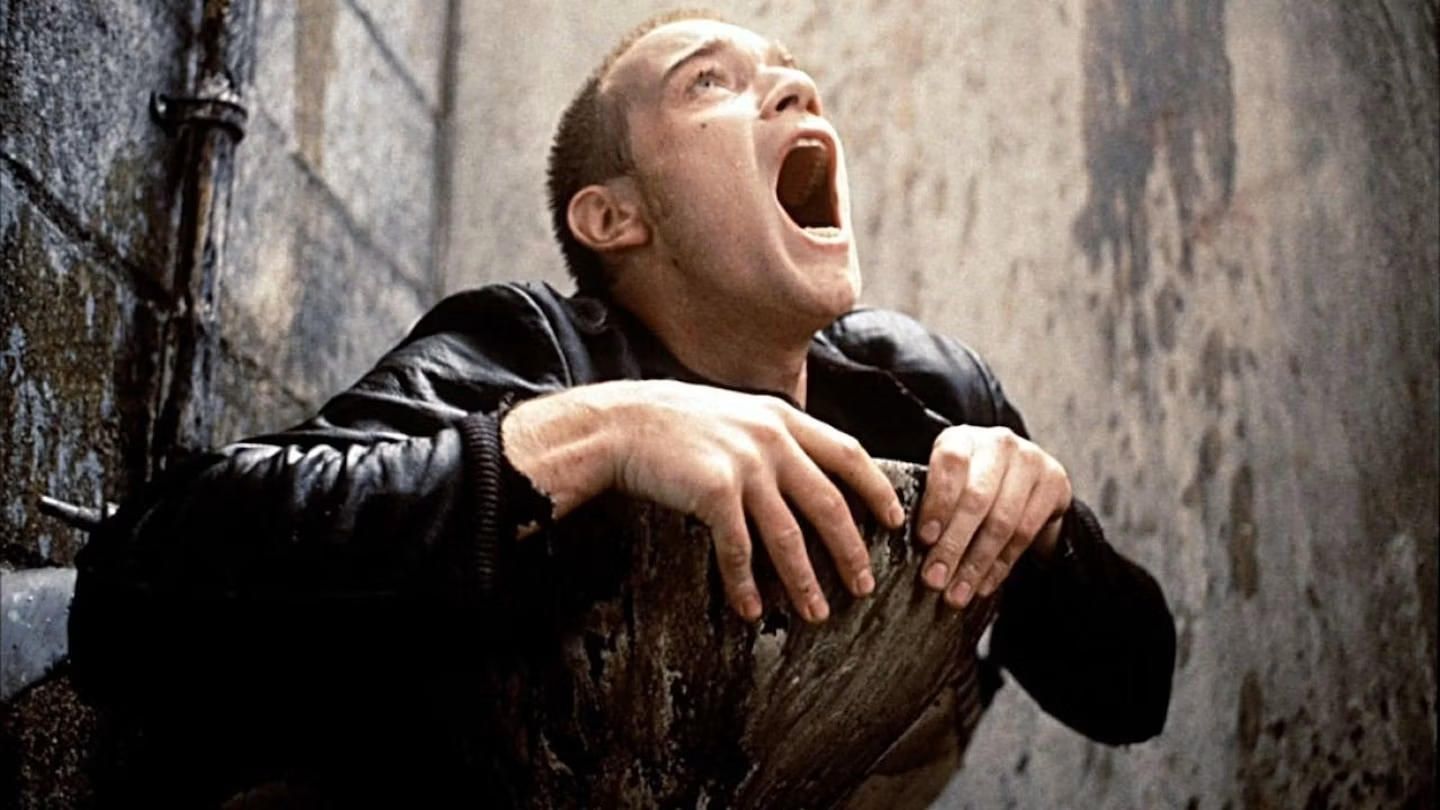
Revisiting the film three decades on stirs a surprising cocktail of emotions. An adaptation of Irvine Welsh’s bestselling novel about heroin addicts in Edinburgh, the film now feels both incredibly dated and shockingly fresh. The mid-90s world it presents seems like a bygone age. Now that everyone is a junkie for smartphones, there is something almost nostalgic about watching Mark Renton (Ewan McGregor) and his friends ducking and diving without a screen in sight. Is our mind-numbing, time-sucking digital addiction not as much of a rejection of the “choose life” motto as Renton’s skag habit?
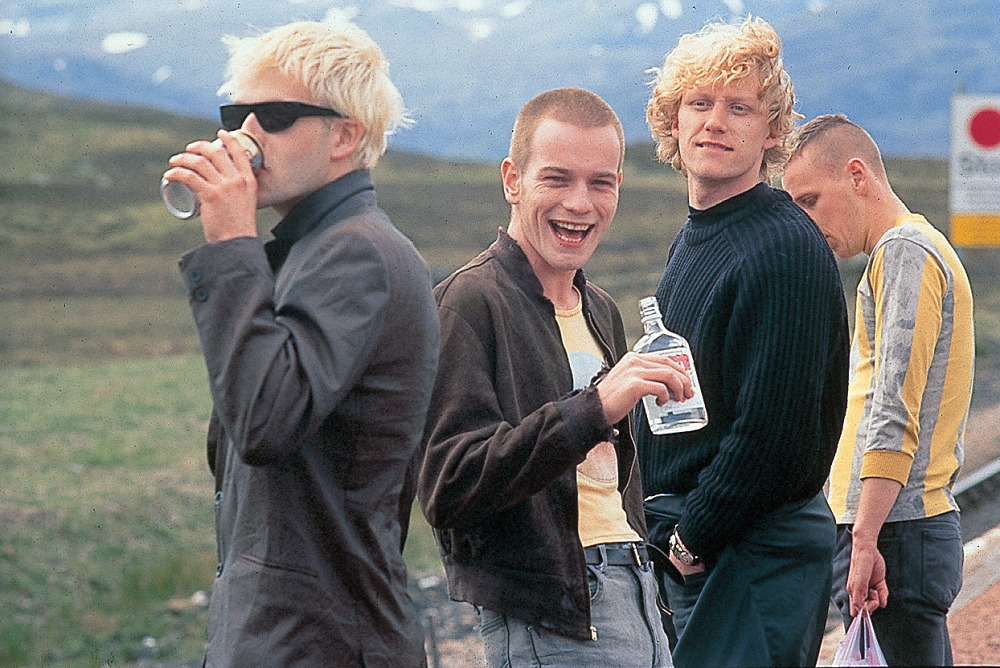
At the same time, the film is packed with an energy that still feels intensely urgent. Having just scored a critical smash with the down-and-dirty Shallow Grave, director Danny Boyle brought a staggering amount of confidence to his sophomore feature. It is a sense of fearlessness that would serve him well throughout a truly unique career, whether he was reinventing zombies in 28 Days Later or pulling off an Olympic Opening Ceremony in spectacular fashion.
With Trainspotting, Boyle clearly tips his hat to one of his idols, Stanley Kubrick, and his controversial tale of wayward youth, A Clockwork Orange. There is an echo of Alex DeLarge in Renton’s narration, coupled with a blackly comic cynicism towards law and (dis)order. As Renton, clutching a bag of stolen money, walks towards the camera in the film’s closing shot, grinning wildly while intoning about “choosing life,” one is reminded of Alex’s final, deeply ironic line: “I was cured, alright.”
In cinema, timing is often everything. Through either strategic cunning or sheer luck, Trainspotting arrived at the cultural station at exactly the right time: the mid-90s. Hollywood was enamoured with bold whizz-kid directors like Tarantino and Soderbergh. At the same time, the Cool Britannia wave was in full swing, and Trainspotting quickly became its cinematic anthem. There was also the dubious glamour of “heroin chic” that dominated the period, which catapulted the whippet-like McGregor to sex-symbol status. Both factors led to Boyle and McGregor becoming massive names, and they seemed like a golden partnership.
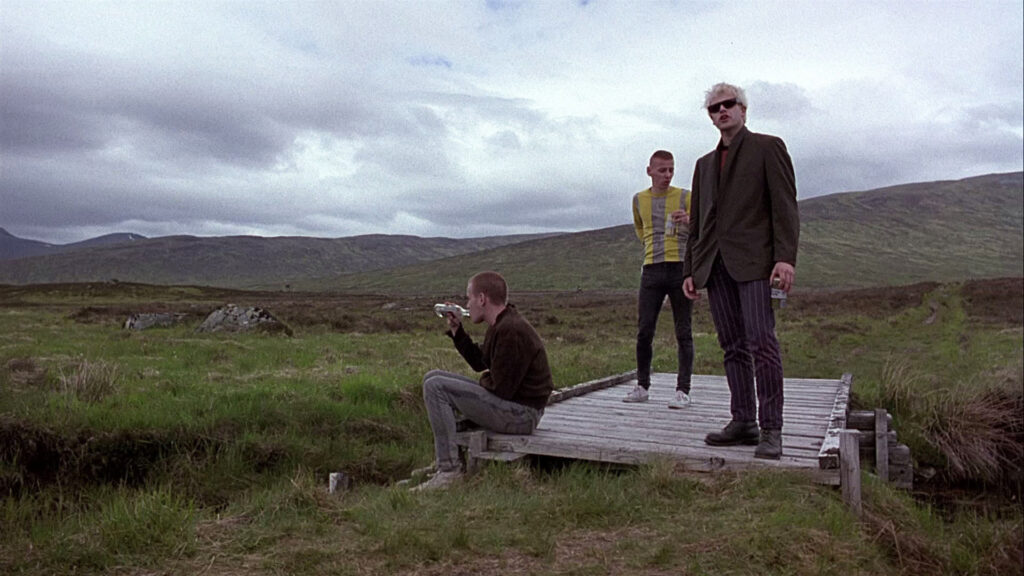
Unfortunately, a falling-out over The Beach meant the pair didn’t work together again for decades. When they finally reunited, it was for T2 Trainspotting. It is a fascinatingly reflective film; Renton and his pals are now in their mid-to-late 40s, looking back at lives largely misspent. It is a film wise enough to know that lightning cannot be caught in a bottle twice.
Yet when you uncork that bottle 30 years later and watch Trainspotting once more, you can still feel its electricity.