
Teenage Sex and Death At Camp Miasma: for the love of slasher films
Everything, they say, is a remix, and walking by any multiplex is a stark reminder of how true that is when it comes to cinema. We seem to be stuck in some sort of purgatorial loop of remakes, reboots, and—dare I say it—‘reimaginings’ of things that have come before. This is especially true with horror (in 2026, we got the seventh Scream and the sixth Evil Dead flick, to name a few examples).
For the most part, these seem like cynical cash-grabs, studios betting on IP-awareness and audience nostalgia at the expense of genuine creativity. However, occasionally, a filmmaker will come along who genuinely knows how to remix inspirations into something utterly original. This is the case with Jane Schoenbrun and Teenage Sex and Death At Camp Miasma.
Their follow-up to the critical darling I Saw The TV Glow, …Camp Miasma isn’t directly adapting any previous film, but it is clearly an homage to the slasher franchises Schoenbrun loves, namely Friday the 13th and Sleepaway Camp. The film is also a meta-commentary on Hollywood’s penchant for recycling old boogeymen.

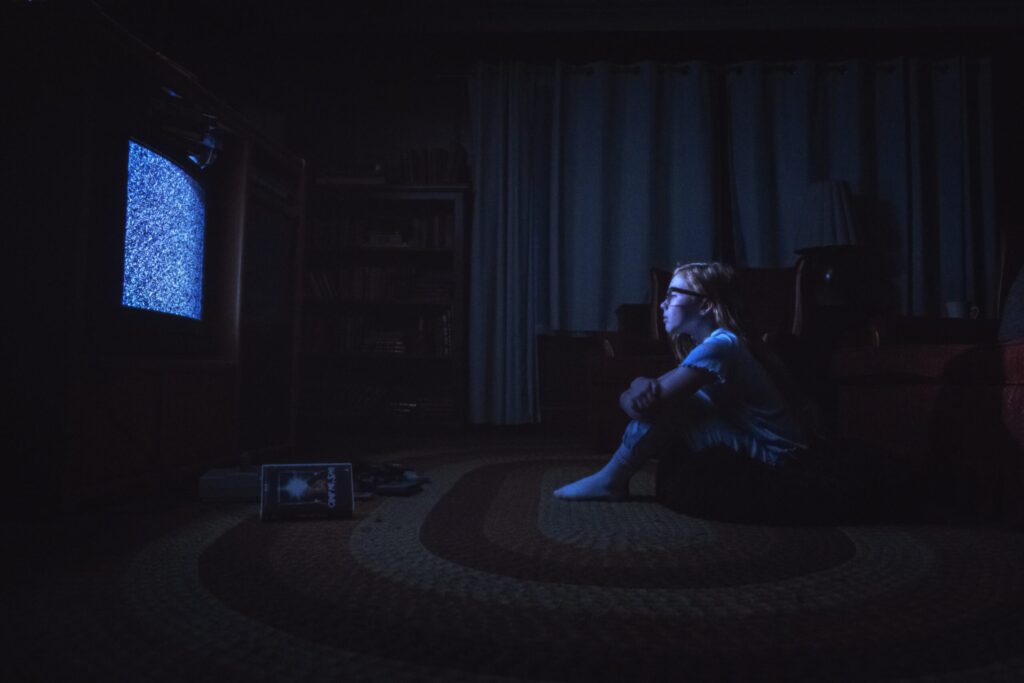
It follows a young up-and-coming female director, Kris Williams (Hannah Einbinder), who is given the opportunity to pitch for a reboot of the Camp Miasma franchise, a dusty slasher series that has jumped the shark into obscurity. Little do the suits know that Kris has a very personal interest in the original film, its torrid mix of flesh, fear, and blood proving a sexual awakening for them as a child. In researching their take, Kris meets with the original star, Billy Presley (Gillian Anderson), who now lives in the very same campgrounds where the slasher was shot.
Well into middle age, Billy initially seems like a knock-off version of Sunset Boulevard’s Norma Desmond—one of Hollywood’s ghosts, living in the shadow of her past glory. But, as Kris discovers, Billy is far more complex than that, and the two women become entwined in a passionate affair that takes them to the furthest reaches of their psyches.
If this sounds heavy-going, it’s not. This is a hugely entertaining and darkly funny film, Schoenbrun’s script sharply satirising the Hollywood studio system and the pretentiousness of filmmakers (the character of Kris can be taken as a somewhat self-deprecating stand-in for Schoenbrun themself). Horror fans looking for some spills and chills are in luck: the film allows itself to go hog-wild with the gore, and there are gruesome deaths aplenty. Much like Tarantino, Schoenbrun is absolutely unashamed of their influences and takes every opportunity to get stuck into genre excess.
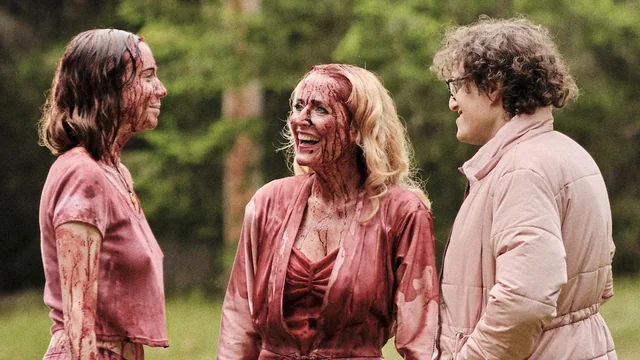
But the film is not so much a horror film as it is a love story about finding a kindred spirit. With Billy, Kris finally begins to accept themself, their desires, their kinks, and their fantasies without shame. We don’t need to over-intellectualise our love for sex and violence in movies. As Billy tells Kris, Camp Miasma is simply about flesh and fluids.
Schoenbrun is a wildly creative director. However, that creativity can sometimes feel pretty chaotic. For all its strengths, the film is quite messy—a huge pic ‘n’ mix bag of startlingvisuals, gags, and ideas. At 121 minutes (a good bit longer than the trashy slashers it was inspired by), Miasma does get a little tiring and could do with some narrative streamlining, particularly at the end. But there is no doubt that the imagery flashing before our eyes will seep into our minds and stay there long after we’ve left the cinema. It’s drawn comparisons to David Lynch, which are fair. Like Lynch, Schoenbrun has a truly distinctive cinematic voice and a flair for the surreal, unafraid to explore our dark and deep desires.
There’s a shot early on in the film of Kris on her hotel bed, eyes glued to a slasher film while she scoffs a giant bucket of popcorn mixed with chocolate-covered raisins. That’s the film in a nutshell: gleefully indulgent, a divisive mix of flavors, and utterly in love with horror movies.