
Little Shop of Horrors: A humorously dark tale featuring strong vocal performances
By Nicky Gambin
Disclaimer: The reviewer has had previous working relationships with many of the cast and creatives involved in this production. Nevertheless, KRITIKARTI remains committed to providing reviews that are critical, honest, and informed.
Masquerade Malta first staged a production of Little Shop of Horrors at the Manoel Theatre back in April 2000. So, 26 years later, it seems like a perfect fit to revive this horror comedy rock musical just in time for the Halloween weekend. Its dark murderous undertones are kept light and unserious through tongue-in-cheek character humour, all set against a score by Alan Menken (the music behind hits like The Little Mermaid, Aladdin and Newsies) that features early 1960s-style rock and roll, doo-wop and early Motown.
Set in the heart of Skid Row, the main character Seymour Krelborn works at a run-down flower shop with simple doe-eyed Audrey and the store’s grumpy owner Mr. Mushnik. Out of nowhere, Seymour stumbles across a mysterious plant, which he names Audrey II, that brings in popularity and business. However, once the plant starts showcasing a dangerous thirst for human blood in order to grow, morality is thrown out the window as Seymour struggles to satiate the carnivorous beast. In the end, the plant completes its conquest for world domination, having consumed each of the four protagonists and spread more of its kind across America.
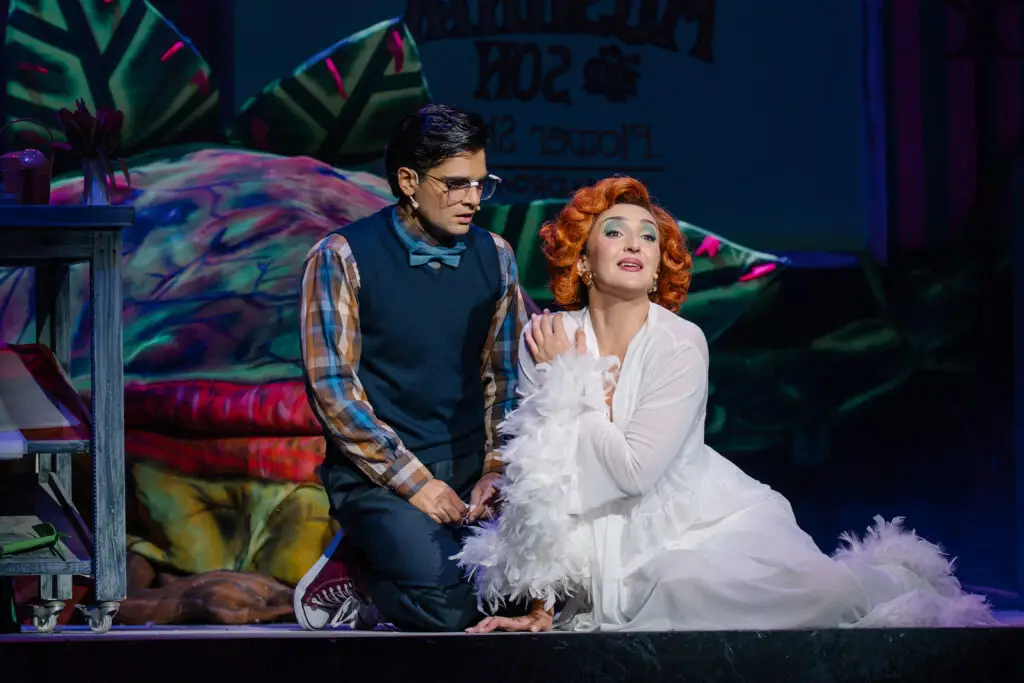
Through the teamwork of anthony bezzina as Director and Veronica Bezzina as Production Manager, Masquerade continues to deliver strong music and crisp vocal performances across the board, also through the work of Kris Spiteri as Musical Director and Maria Eleonora Zammit as Vocal Coach. In the leading role of Seymour, Luigi Buhagiar managed to balance the character’s nerdiness and naivety with great vocal performance and comedic timing. Michela Agius brought strong vocals to the role of Audrey, although some pop vocal qualities did creep in slightly during her solo number “Somewhere That’s Green”.
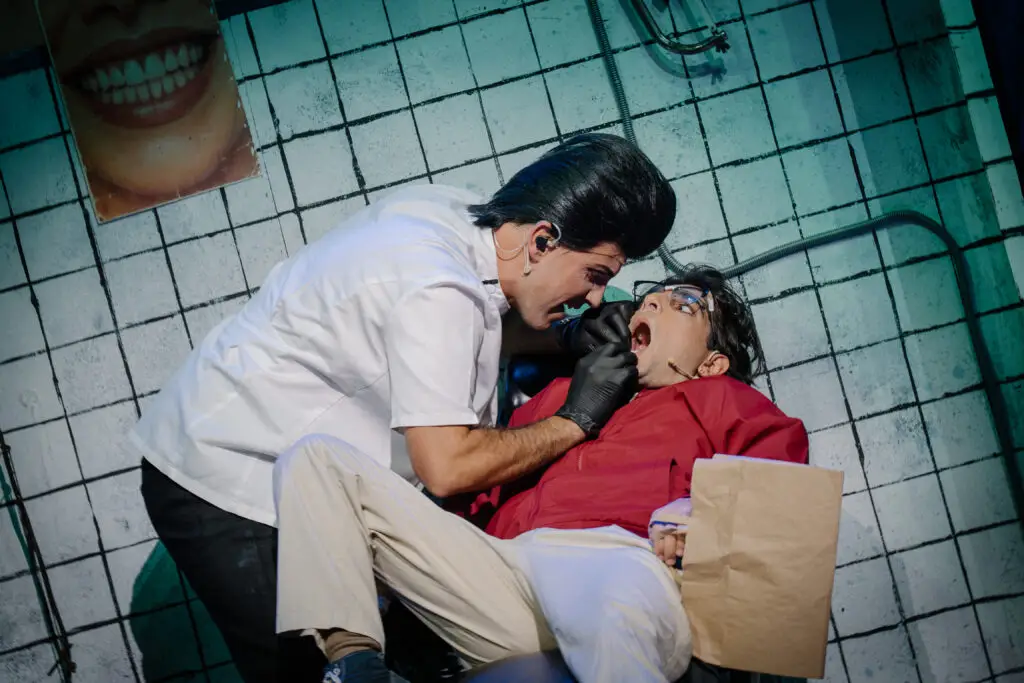
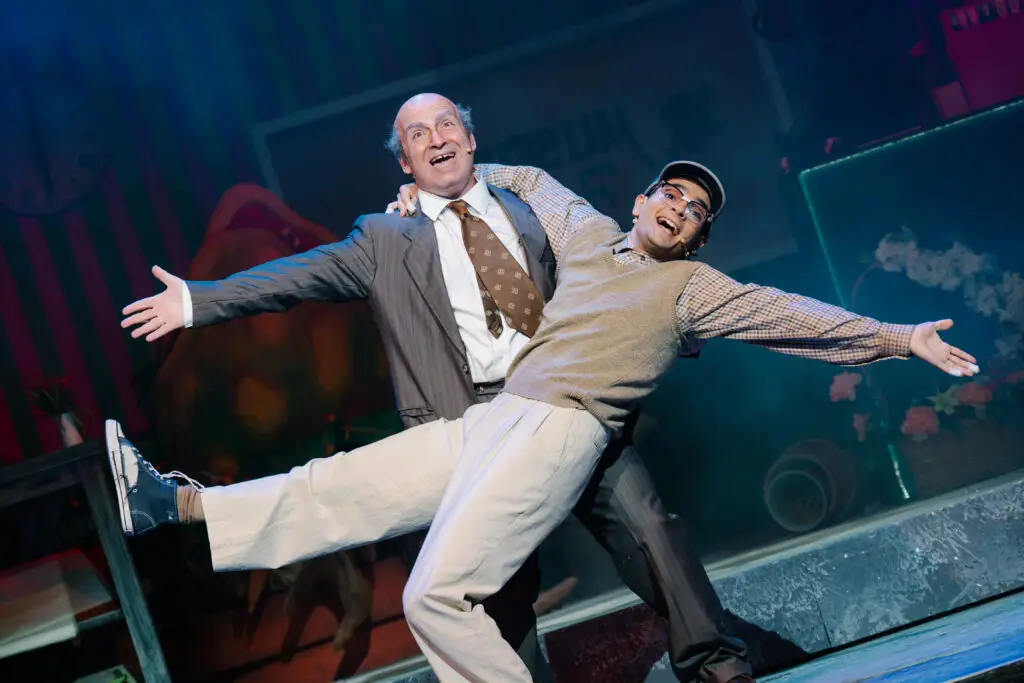
Francesco Nicodeme’s portrayal of the evil and self-absorbed dentist Orin was campy and over-the-top in the best way, leaving the audience in stitches during the interactive call-and-response section of “The Dentist”. He also brought copious amounts of energy and comedy through his multi-rolling in “The Meek Shall Inherit”. Karl Bartolo had a strong, playful, and colourful performance as the voice of Audrey II, bringing out a lot of character-acting with just his vocals. Max Dingli warmed into his role of Mr. Mushnick, resulting in some dropped pacing during his acting scenes. However, in “Mushnick & Sons”, both he and Buhagiar delivered a great comedic duet, set by choreographer Valerie Burke.
The trio of the street Urchins – Rachel Fabri as Crystal, Natassja Chapman as Chiffon, and Abigail as Ronnette – served as the story’s narrative Greek chorus, adding that little bit of extra seasoning in most musical numbers through tight harmonies. However, given that the inspiration for these characters are the 1960s R&B/Doo-Wop Black girl groups (such as The Crystals, The Ronettes, and The Chiffons), the actors were not always able to match this kind of vibe and personality.
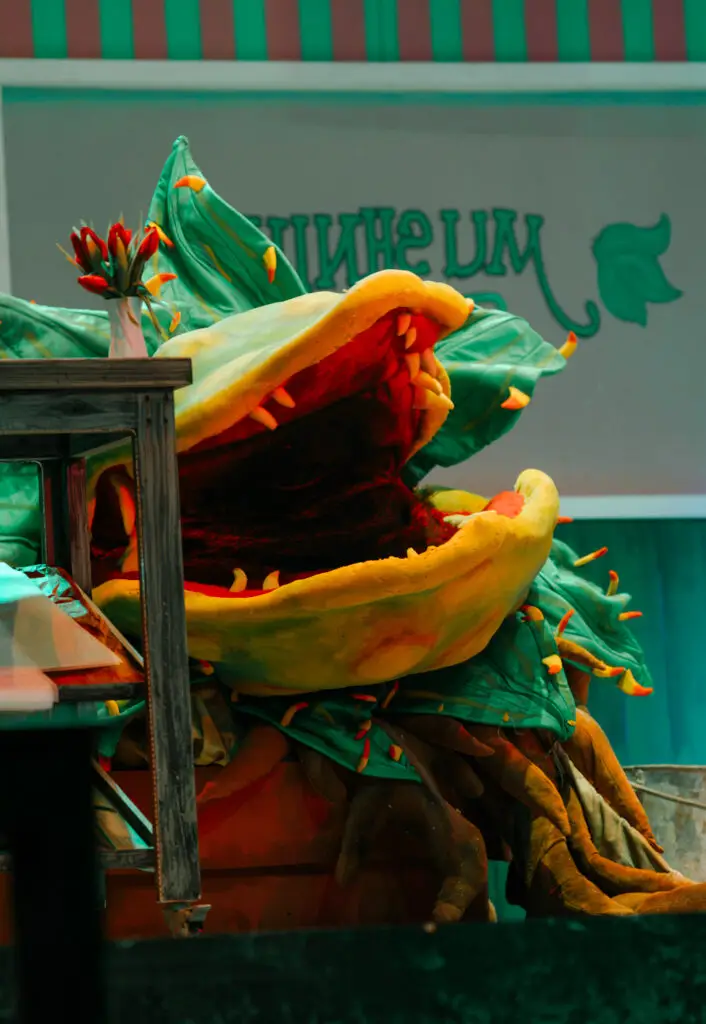
The growing size of the meat-eating Audrey II puppet is a key part of the show, starting off as a simple plant-pot and continuing to grow into 3 bigger sizes – from hand puppet, to big plant head, to even bigger plant puppet. The overall aesthetic of the puppet was impressive and captivating. However, the puppeteering itself – manipulated by Gianluca Mifsud and Michela Caruana – felt heavy and had a limited variety of movement, which was also sometimes out of sync with Bartolo’s singing. Additionally, as the plant started consuming characters, the choreography of actors entering the puppet’s mouth needed to be smoother and less awkward, as it did break some of the theatrical illusion.
Adrian Mamo’s set design cleverly made use of the Manoel’s revolving stage, allowing the stage crew to grow the assembly of the plant while scenes kept going. However, the sheer size of the puppet meant that it took up the majority of the stage, resulting in a cramped and claustrophobic playing space that heavily impacted the actors as they bumped into each other. Simona Mamo’s costume design perfectly captured the feel for the 60s, and the final costumes of the consumed characters as flowers were particularly playful. The lighting design felt confusing and jarring at points, as random flashes of white spotlights and colours tried to add dynamic and menace to certain sequences involving the plant but were unable to provide that intended effect.
The real evidence of the production’s charm and success was through the gasps and giggles from children in the audience, watching as the plant antagonised the characters, begged to be fed and burped in satisfaction. The Finale featured a whimsical surprise as vines engulfed the theatre’s proscenium arch and ceiling, emphasising the concluding message of “Don’t Feed the Plants”. This effective element of stagecraft brought the story into the auditorium in a unique and creative way, and was a wonderful way to wrap up an enjoyable outing for all the family.